Over $2.15 million dollars in funding from the federal government is going towards child health research that will carefully examine genes, how they function, and how they can become altered.
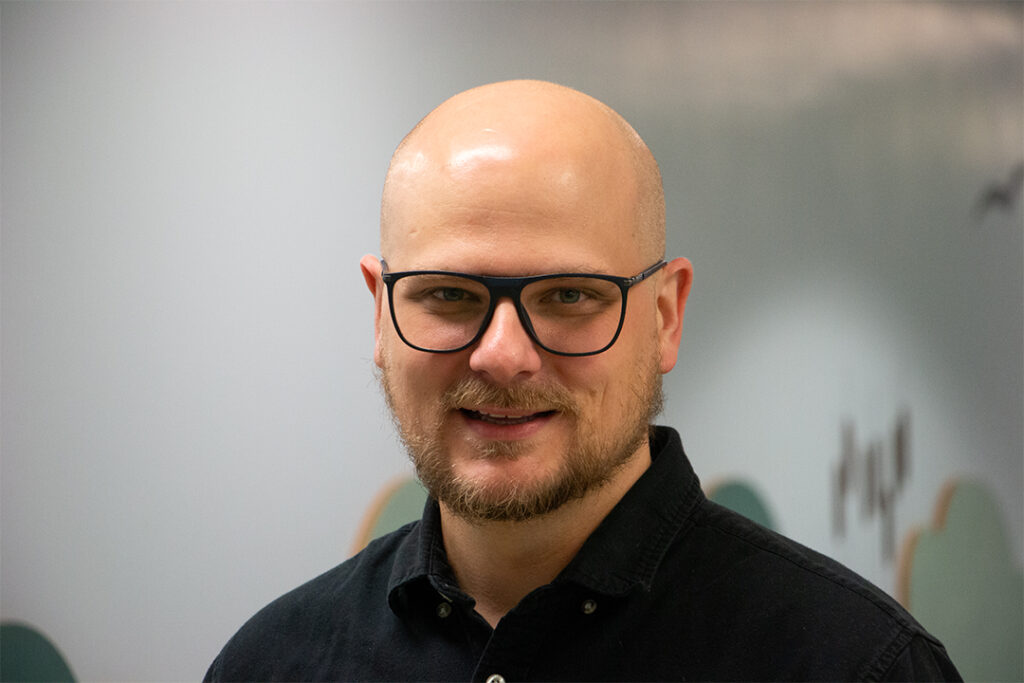
Dr. Britt Drögemöller, CHRIM Investigator and University of Manitoba Assistant Professor, received over $1 million dollars for her project titled “Examining cisplatin-induced ototoxicity at single-cell resolution: Towards improved prediction and prevention“. Dr. Drögemöller and her team have been studying how cisplatin, a widely used chemotherapy drug, can change genes in different tissues. These changes are influenced by a person’s DNA and can contribute to harmful side effects, particularly hearing loss. With this latest funding, she will aim to improve the ability to predict hearing loss before chemotherapy treatment begins and to identify drugs that could protect hearing, all while still effectively treating the cancer. Once a promising protective compound has been found, it will be tested in mouse and zebrafish models and ultimately improve the quality of life for patients who receive cisplatin for the treatment of cancer.

Dr. Paul Marcogliese, CHRIM Investigator and University of Manitoba Assistant Professor, uses the power of fruit flies as a tool to functionally assess human disease variants. Dr. Marcogliese received $1.1 million dollars for their project “Drosophila and patient-cells to inform KAT6A/B disease heterogeneity, variant function, and therapeutic testing.” KAT6A and KAT6B are two closely related human genes. Changes in these genes can cause a wide range of neurological and developmental problems in children, from developmental delays to movement difficulties or seizures. Even with the same gene, symptoms can vary greatly from one child to another, resulting in uncertain genetic results. Researchers are developing humanized fruit fly models carrying KAT6A and KAT6B gene variants from approximately 100 individuals to better understand why these rare genetic conditions affect children so differently. By studying how specific variants alter gene function and testing potential epigenetic therapies in both fruit flies and human cells, the team aims to improve diagnosis, clarify uncertain genetic findings, and lay the groundwork for more personalized treatments in the future. Read more from our partners at the Children’s Hospital Foundation about Dr. Marcogliese and how his work is improving the lives of families facing rare diseases.
Congratulations to all investigators who received funding, including many CHRIM members who are on several grants at co-investigators.