We are excited to host this upcoming panel presentation with members of the Institute Advisory Board (IAB) from the Canadian Institute of Health Research Institute of Human Development, Child and Youth Health (IHDCYH) alongside CHRIM researchers.
This unique opportunity will lean into JEDI topics in research that will shed light on the importance of health researchers integrating diverse perspectives and social determinants of health into research projects. Panelists will discuss the opportunities and challenges of collecting and analyzing data, measurements of success, and overall impact on project outcomes.
Panel members have been carefully selected to provide a broad range of perspectives on personal experiences, from sex and gender from a fundamental science approach to Indigenous programs within the community, and youth and family lived experiences.
A reception will follow the presentation so that everyone has a chance to meet the IAB members.
Seating will be limited, so please register today to secure your seat. We look forward to seeing you there!

Panelists:
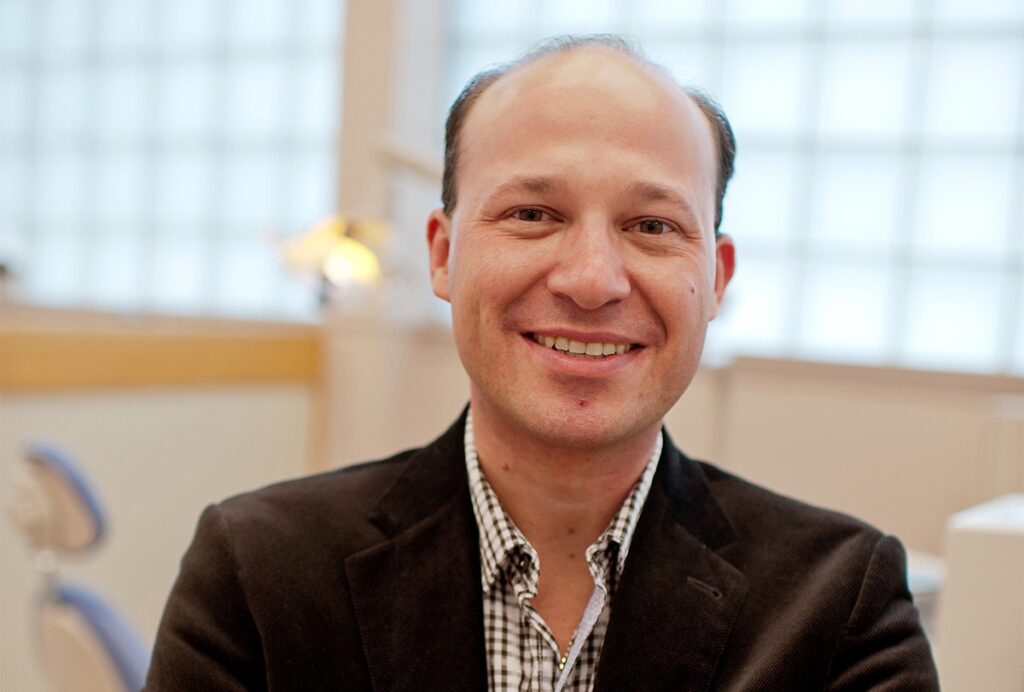
Research Scientist, CHRIM
Professor with Tenure, Department of Preventive Dental Science, Dr. Gerald Niznick College of Dentistry, Rady Faculty of Health Sciences, University of Manitoba
Robert Schroth, DMD, MSc, PhD
As a leading researcher in the field of Early Childhood Caries (ECC), Dr. Robert Schroth has dedicated his career to understanding the impact of nutrition and prenatal factors on the oral health of infants and preschoolers. His work is not only important for the development of prevention strategies, but also for understanding the social determinants of oral health in vulnerable populations. He has made significant contributions to the field through his epidemiological research involving Indigenous, rural, and Hutterite preschool populations.
Dr. Schroth co-leads the Healthy Smile Happy Child initiative, a Manitoba Health grant-funded project that brings together a multidisciplinary and intersectoral team to promote oral health through community-development, oral health promotion/education, and research/evaluation. This initiative has been successful in partnering with communities to produce necessary oral health promotion resources and has undertaken both quantitative and qualitative studies relating to preschool oral health in Manitoba. His research is not only contributing to the advancement of oral health but also has the potential to inform policy and practice in other areas of health.
Dr. Schroth’s extensive research on ECC and oral health in vulnerable populations has earned him a reputation as a leading researcher in the field, making him an important voice in the academic and professional communities.
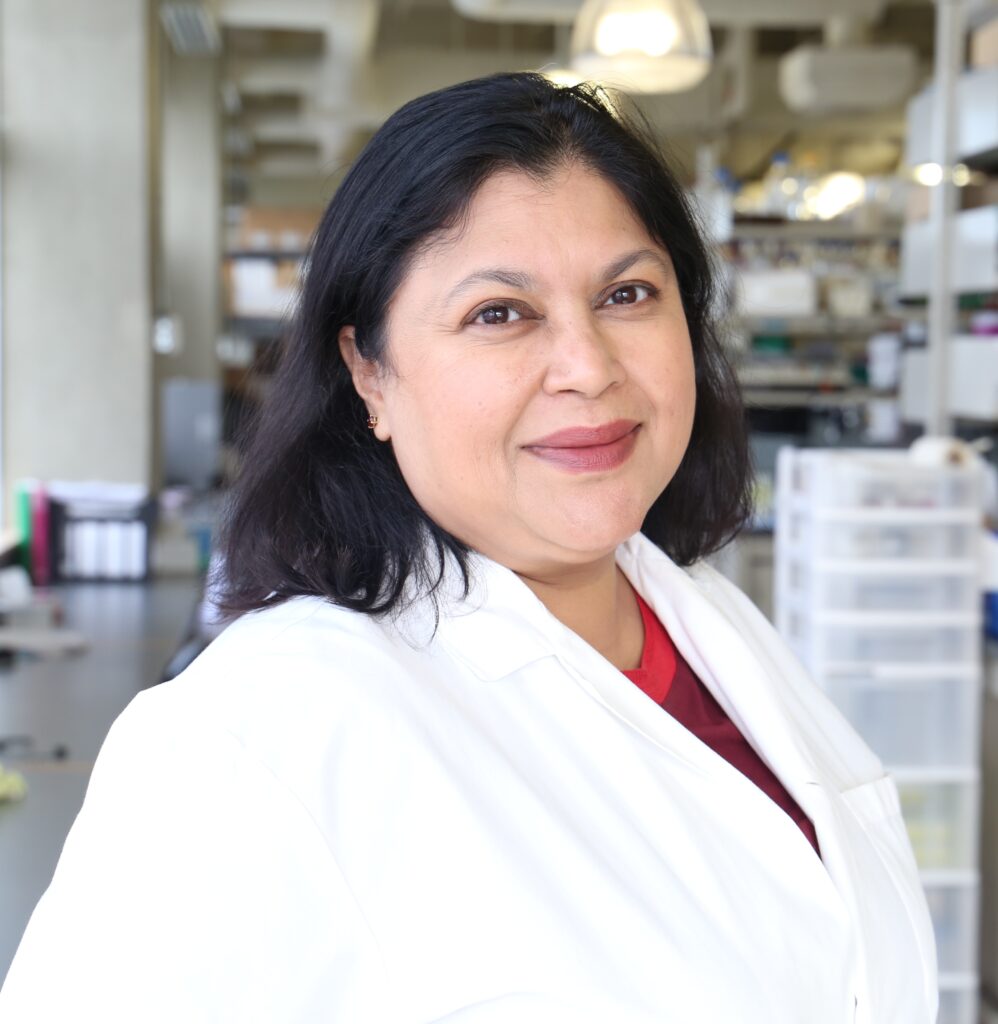
Professor, Departments of Internal Medicine and Immunology
CIHR Sex and Gender Science Chair – Respiratory
& Circulatory Health
Chair WISDOM (Women in Science: Development, Outreach & Mentoring)
Biology of Breathing Research Group; CHRIM
Neeloffer Mookherjee, PhD
Dr. Neeloffer Mookherjee is a leading researcher in the field of chronic inflammation, with a focus on asthma and arthritis. Her research explores the immune functions of host defense peptides, and aims to develop peptide-based immunomodulatory therapeutics. As the current Canadian Institutes of Health Research (CIHR) Chair in Sex and Gender Science in Respiratory Health, she also integrates the fundamentals of sex- and gender-based analyses in her work. Dr. Mookherjee’s research program at the University of Manitoba is at the forefront of understanding how environmental exposures such as air pollution impact chronic disease and how synthetic innate defense regulator (IDR) peptides and other small molecules can be used to regulate inflammatory arthritis.
Her research program provides access to expertise in immunology, cell biology, biochemistry, mass spectrometry and bioinformatics, which is perfectly suited to provide a strong foundation of knowledge for undergraduate and graduate students, and postdoctoral training. Her trainees are also integrated within the department of immunology, and the Biology of Breathing Research Group in CHRIM. These diverse research environments allow her trainees to directly interact with highly skilled personnel at different stages of their careers in both basic and clinical science.

Patient Partner, iCARE Participant Advisory Group, CHRIM
Jennifer Lopez
Jennifer originally became connected with CHRIM after she was diagnosed with Type 2 Diabetes as a young child. She began to take part in research as a participant in the iCARE Research Study which she continues to be part of today. Jennifer continues to keep this connection as she is a member of the study’s Patient Advisory Group where she provides her input and continues to advocate for improved care and practices involving youth and families affected by diabetes, especially those in marginalized communities.
Jennifer has her diploma in Child and Youth Care from Red River College Polytech. She believes in holistic, relational practice, and using a needs-based approach when working with children, youth, and families. Jennifer currently works as a teaching assistant in an Indigenous organization supporting students in obtaining their certificate in Child and Youth Care. While not busy at work, Jennifer is a Board Director in the Child and Youth Care Worker’s Association of Manitoba (CYCWAM) where she is currently helping plan their national conference taking place in Winnipeg in June 2024.
During her spare time, you can find her completing various crafts like painting and sewing, or even cooking, and completing chores or shopping at your local Winners. If she’s not busy doing any of these, she’s catching up on sleep or binge-watching shows on Netflix with her partner.
Institute Advisory Board (IAB):

DLSPH Indigenous Postdoctoral Fellow,
University of Toronto/First Nations Health and
Social Secretariat of Manitoba
PhD (Vanier Scholar), Pharmacology and Therapeutics, University of Manitoba
Taylor Morriseau, PhD
Dr. Morriseau (Peguis First Nation) is a postdoctoral fellow supported by the Waakebiness Institute for Indigenous Health at the Dalla Lana School of Public Health. She received her PhD from the University of Manitoba with a focus on gene-environment interactions underlying type 2 diabetes among First Nations youth. In her postdoctoral fellowship, she is working with an interdisciplinary team of academics and community partners within the First Nations Health and Social Secretariat of Manitoba (FNHSSM). Her research aims to support First Nations-led biomedical research by strengthening regional capacity for biobanking and data sovereignty initiatives.
She is committed to broader scientific and societal challenges encompassing Indigenous health, genomics, ethics, and science policy through advisory positions with the Chief Science Advisor of Canada, Research Canada, and the Native BioData Consortium (NBDC). She has been a recipient of the WXN Canada’s Most Powerful Women Top 100 Award, a Manitoba 150 Women Trailblazer Award, and a University of Manitoba Distinguished Young Alumni Award.
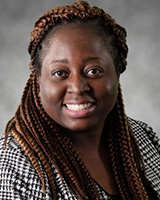
Professor, Faculty of Nursing, University of
Alberta
Principal Investigator: Health and Immigration Policies and Practices Research Program (HIPP)
Bukola (Oladunni) Salami, RN, MN, PhD
Dr Bukola Salami is an Professor at the Faculty of Nursing, University of Alberta. She received her Bachelor of Science in Nursing from the University of Windsor and her Master of Nursing and PhD in Nursing from the University of Toronto. Her research program focuses on policies and practices shaping migrants health. She has lead research projects on African immigrant child health, immigrant mental health, access to healthcare for immigrant children, Black youth mental health, health of internally displaced children, and parenting practices of African immigrants. She founded and leads an African migrant child research network of 35 scholars from 4 continents. In 2020, she founded the Black Youth Mentorship and Leadership Program at the University of Alberta. The program, the first University based interdisciplinary mentorship program for Black youths in Canada, seeks to socially and economically empower Black high school youths to contribute meaningfully to the Canadian society. She is involved in several community volunteer initiatives including serving as the Public Health Agency of Canada Working Group on the Mental Health of Black Canadian, the Bell Lets Talk Funding advisory committee, and active involvement with the Black Opportunities Fund. She is an Associate Editor of the Canadian Medical Association Journal (CMAJ) and on the Editorial Board of Nursing Inquiry and Qualitative Health Research Journal. Dr. Salami has received several awards for research excellence and community engagement: 100 Accomplished Black Women in Canada; Sigma Theta Tau International Honor Society of Nursing Emerging Nurse Researcher of the Year Award; College and Association of Registered Nurses of Alberta (CARNA) Award for Nursing Excellence; and Alberta Avenue Edmonton Top 40 under 40. In 2020, she became a recipient of the Sigma Theta Tau International Honor Society International Nurse Researcher Hall of Fame, the highest research award in nursing. In 2021, she became a Fellow of the Canadian Academy of Nursing.

IHDCYH Youth Advisory Council Member
Robert Chin-see
Robert recently graduated from Wilfrid Laurier University with an excellence award in Honours Health Sciences. Currently, Robert is studying as a Masters student in the Health Sciences program at Wilfrid Laurier University under the supervision of Dr. Todd Coleman on a quantitative study concerning health systems and marginalized populations. Robert hopes to pursue an academic position and community role that allows him to bridge quantitative and qualitative research with meaningful community action and believes IHDCYH’s youth advisory council represents a crucial junction to engage other unique perspectives in the discussions about the future of Canadian healthcare research and delivery for youth and families. By serving on the council Robert hopes to advocate for the sovereignty and access of historically disenfranchised communities, including racialized 2SLGBT+ individuals, and frame it within public health for future health research. There is ample opportunity to focus on how vulnerable youth can shape the direction of healthcare research in Canada and instill meaningful change.
Facilitators:

Executive Director, Translating Emergency Knowledge for Kids
Instructor – College of Nursing
Lisa Knisley, RN, MA. PhD (c)
Lisa is the Executive Director for Translating Emergency Knowledge for Kids (TREKK), a national knowledge mobilization network based at the Children’s Hospital Research Institute of Manitoba (CHRIM). Through TREKK, Lisa leads provincial and national research to accelerate the speed at which the latest evidence in children’s emergency care is accessible to and useful for healthcare providers and patients/families. She also co-leads a new acute care research theme at CHRIM called REACH (Research into the Enhancement of Acute care in Children’s Health).
Prior to TREKK Lisa worked at Guy’s and St Thomas’ NHS Foundation Trust in London, UK as a cardiovascular research nurse and project lead within initiatives to modernize diabetes care and improve patient information.
Lisa completed a Bachelor of Nursing degree at the University of Manitoba and a Master’s in Arts in Journalism from the University of Westminster. She is completing a PhD within the Faculty of Nursing at the University of Alberta and partnering with the Manitoba Métis Federation to research meaningful and useful ways to co-create and share child health information with Red River Métis families in Manitoba.

Senior Scientist, Regenerative Medicine, Ottawa Hospital Research Institute & CHEO Research Institute
Neonatologist, Division of Neonatology, The Ottawa Hospital and the Children’s Hospital of Eastern Ontario
Professor of Pediatrics, University of Ottawa
University of Ottawa Partnership Research Chair in Regenerative Medicine
Bernard Thébaud, MD, PhD
Dr. Bernard Thébaud is a clinician-scientist with a focus on the clinical translation of stem cell-based and gene therapies for lung diseases. He is a senior scientist with the Ottawa Hospital Research Institute and a neonatologist with the Children’s Hospital of Eastern Ontario, providing care to critically ill newborns. He is also a Professor of Pediatrics at the University of Ottawa.
Dr. Thébaud obtained his MD at the University Louis Pasteur in France and trained in Pediatrics and Neonatology at the University Paris V, where he obtained his MSc and PhD, before completing a 2-year postdoctoral fellowship at the University of Alberta.
Dr. Thébaud studies the mechanisms of lung development, injury and repair to design new treatments for incurable lung diseases. His focus is on answering clinically relevant questions for translation into real-life applications. Over the next five years, his goal is to bring safe and effective cell and gene therapies for lung diseases into the clinic to improve patient outcomes.
Dr. Thébaud has participated on numerous peer review committees and scientific advisory boards at the international, national and provincial level, including CIHR and NIH. Dr. Thébaud holds the University of Ottawa Partnership Research Chair in Regenerative Medicine. His research is funded by a CIHR Foundation Scheme grant, the Heart and Stroke Foundation of Canada, the Stem Cell Network and the Ontario Institute of Regenerative Medicine.
Speed Networking for Nominated Early Career Investigators

Research Assistant Professor, Department of Internal Medicine, Division of Endocrinology and Metabolism, University of Manitoba
Investigator, CHRIM
Jennifer Yamamoto, MD, MSc, FRCPC
Dr. Yamamoto is an endocrinologist and clinician researcher at the University of Manitoba. In addition to her clinical training, she completed an MSc in Clinical Epidemiology and furthered a one-year research fellowship at the University of East Anglia in the United Kingdom. Dr. Yamamoto holds the Henry G. Friesen Professorship in Endocrinology at the University of Manitoba and national funding from the Canadian Institute of Health Research and Diabetes Canada. Her clinical work and research focus on diabetes preconception, during pregnancy and postpartum.
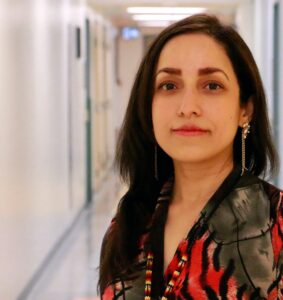
Associate Professor, Faculty of Kinesiology and Recreation Management (FKRM)
Investigator, The Children’s Hospital Research Institute of Manitoba (CHRIM)
Research Affiliate, Centre on Aging, University of Manitoba
Ayesha Saleem, PhD
Dr. Ayesha Saleem is an Associate Professor in the Faculty of Kinesiology (FKRM) at the University of Manitoba, and a Research Scientist at the Children’s Hospital Research Institute of Manitoba (CHRIM). She has expertise in molecular and cellular physiology, specializing in mitochondrial metabolism and extracellular vesicle (EV) biology. Her lab performs basic and translational work to delineate how EVs regulate the interplay between host tissues and imposed physiological challenges. These challenges can be physiological (exercise, age), metabolic (obesity/type 2 diabetes), or developmental (breastmilk and asthma, fetal-maternal cross-talk). An internationally recognized expert in her field, she has been invited to present her research at national and international venues and has received numerous awards that applaud her work and potential. Her research is funded by NSERC, SSHRC New Frontiers in Research Fund, Research Manitoba, Manitoba Medical Service Foundation (MMSF), Canadian Foundation for Innovation (CFI), New York Academy of Sciences, Japan Agency for Medical Research and Development, University of Manitoba, Children’s Hospital Foundation (CHF) and CHRIM.
Dr. Saleem was named to CBC Manitoba’s Future 40 class of 2020 and was awarded the 2020 Merit Award by the University of Manitoba recognizing her excellence in teaching, service, and research/scholarly activities. She serves on grant review panels for local, federal (NSERC, NFRF, CIHR PDF) and international agencies (Paul G Allen Frontiers, UK Wellbeing of Women, Dutch Duchenne Parent among others). She also serves on numerous committees, both internal and external, including as the Co-Lead for the CHRIM Mentorship Program, member of the CHRIM Scientific Council, member of the Strategic Research Planning Committee in the Office of the Vice-President Research and International (VPRIO) at University of Manitoba, National Steering Committee member of the Association of Canadian Early Career Health Researchers (ACECHR), founding member of the Canadian EV society, and as the Associate Editor for the Applied Physiology Nutrition and Metabolism.

Investigator, Children’s Hospital Research Institute of Manitoba (CHRIM)
Assistant Professor, Department of Physiology and Pathophysiology
Christopher Pascoe, PhD
Dr. Pascoe is an Assistant Professor at the University of Manitoba in the Department of Physiology and Pathophysiology, working out of the Children’s Hospital Research Institute of Manitoba. He started his independent research program in 2019. Dr. Pascoe’s research team employs a multidisciplinary approach, utilizing cell and animal models, as well as primary human samples, to unravel the complexities of alterations in the structure and function of the lung that contribute to chronic lung diseases. Their focus extends to understanding how environmental exposures, particularly during early life, shape disease risk in children, with a keen interest in the interplay between prenatal influences and subsequent respiratory health.
Currently, Dr. Pascoe’s work focuses investigating how prenatal diabetes and prenatal smoking influence offspring susceptibility to airway dysfunction associated with asthma and chronic obstructive pulmonary disease (COPD). This includes a unique exploration into the role of amniotic fluid in mediating communication between the maternal environment and the developing lungs, providing novel insights into early-life determinants of respiratory health. Dr. Pascoe has also begun research aimed at understanding the long-term health effects of e-cigarette use in youth and young adults. By examining how prolonged use of e-cigarettes influences the lung transcriptome, we can expand our understanding of the emerging challenges posed by novel tobacco products, and the diseases that may be associated with their use.
Parallel to his health-related investigations, Dr. Pascoe maintains a basic science research core, focusing on elucidating the role of lipid mediators in regulating airway function in both health and disease states. His comprehensive research portfolio is supported by funding from prestigious organizations such as the Canadian Institutes of Health Research (CIHR), the Natural Sciences and Engineering Research Council of Canada (NSERC), the New Frontiers in Research Fund (NFRF), and Research Manitoba.

PhD, MSc.
Assistant Professor, Department of Medical Microbiology and Infectious Diseases
Investigator, CHRIM
Bárbara Nery Porto PhD, MSc.
Dr. Barbara Porto is an Assistant Professor in the Department of Medical Microbiology and Infectious Diseases at the University of Manitoba and an Investigator with the Biology of Breathing Group (BoB) at CHRIM. Dr. Porto obtained her PhD at the Federal University of Rio de Janeiro, Brazil. She has previous experience working as a Professor in Brazil, leading a research laboratory and mentoring and supervising undergraduate and graduate students. In Toronto, Dr. Porto completed a 3-year post-doctoral fellowship at the Hospital for Sick Children (SickKids) working with human airway epithelial cell biology during respiratory syncytial virus infection.
Her research focuses on the mechanisms of disease pathogenesis associated with respiratory viral infections and to discover new therapeutic targets to reduce respiratory morbidity caused by these infections. Her lab has a strong focus on understanding how respiratory syncytial virus (RSV) triggers the death of respiratory epithelial cells and innate immune cells, and the role of cell death on disease outcomes. Her team uses a combination of immunology and cell biology techniques along with mouse models of infection to determine the signaling mechanisms activated by RSV to cause epithelial and innate cell death and worsen disease pathophysiology. Her long-term goal is to expand these studies to understand the mechanisms underlying disease pathophysiology of different respiratory viral infections, including rhinovirus, influenza and SARS-CoV-2.
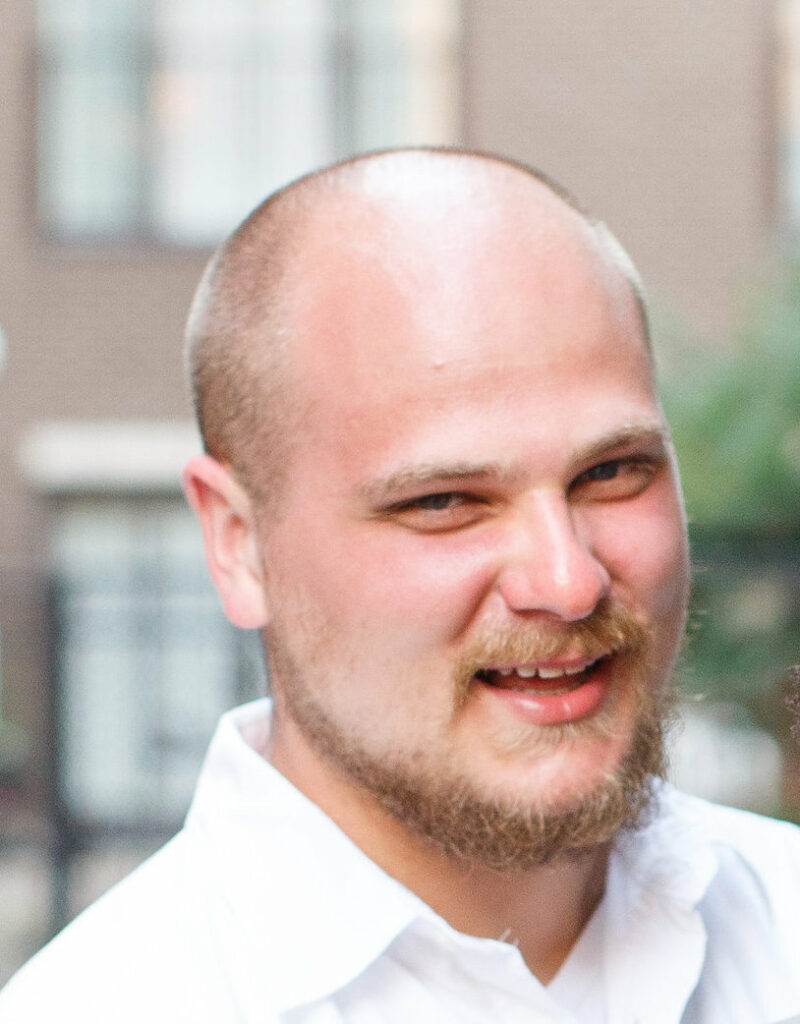
Assistant Professor, Department of Biochemistry & amp; Medical Genetics
Investigator, CHRIM
Paul Marcogliese, PhD
Dr. Marcogliese joined the University of Manitoba as an assistant professor of biochemistry and medical genetics within the Rady Faculty of Health Sciences and as a CHRIM Invesigator in June 2022.
During his PhD under the supervision of Dr. David Park, he studied cell, mouse, and fly models of Parkinson’s disease. He completed postdoctoral training at the Baylor College of Medicine, in Houston, Texas in the department of human and molecular genetics under the supervision of Dr. Hugo Bellen where he used Drosophila (fruit flies) to help genetically diagnose rare neurodevelopmental disorders. His research has helped identify multiple novel human disease genes as well as implicate excess Wnt signalling in neurodegeneration.
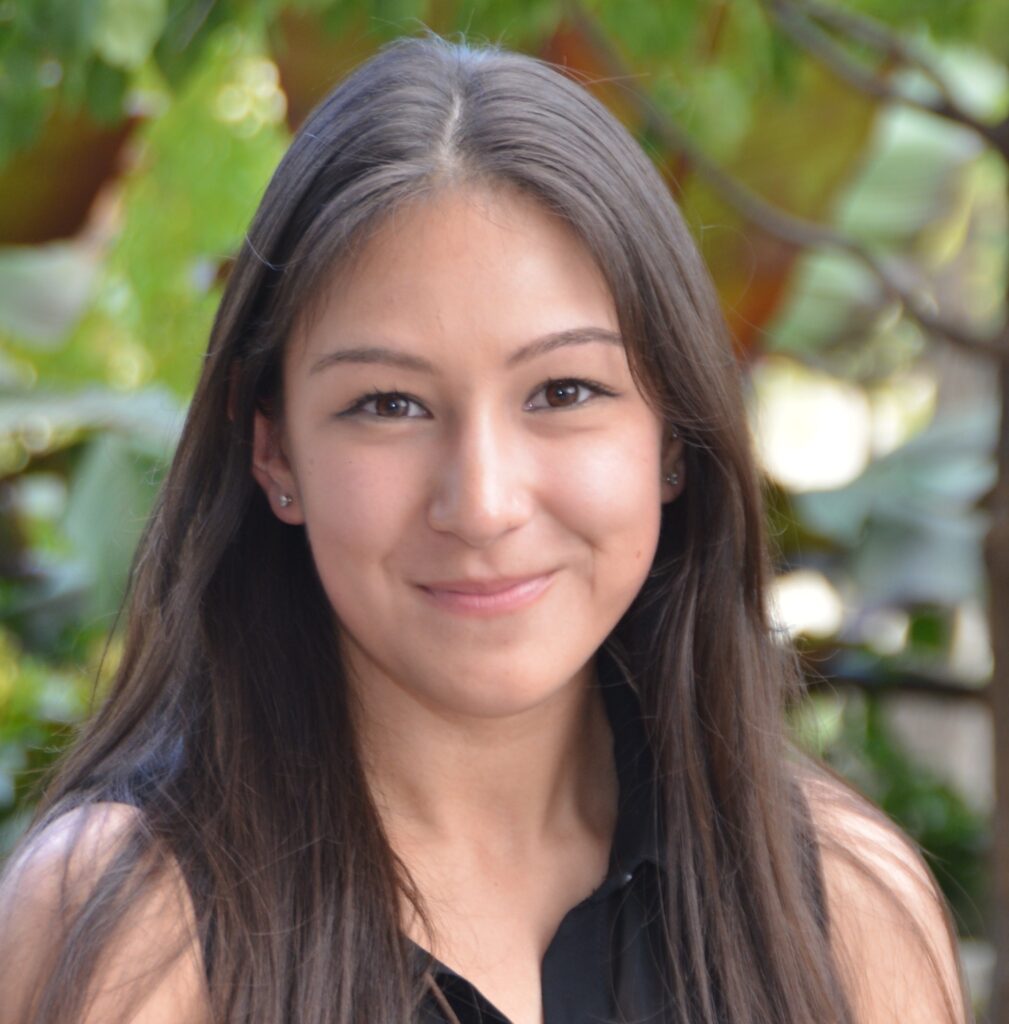
Assistant Professor, Department of Clinical Health Psychology
Investigator, Children’s Hospital Research Institute of Manitoba
Kristene Cheung, PhD
Dr. Kristene Cheung is an Assistant Professor in the Department of Clinical Health Psychology at the University of Manitoba. She is also a registered Clinical Psychologist at the Manitoba FASD Centre where she primarily conducts psychological assessments and provides consultation as part of a multi-disciplinary diagnostic assessment for FASD. The overarching theme of Dr. Cheung’s research is child and family outcomes related to experiences in the prenatal period, early life, and childhood. Her primary research focuses on the outcomes of children and adolescents with prenatal alcohol exposure (PAE) and FASD who are seen at the Manitoba FASD Centre. Her secondary focus is on caregiver- and family-related outcomes, including parenting stress and parental attributions.
Executive Director, Translating Emergency Knowledge for Kids
Instructor – College of Nursing
Lisa Knisley, RN, MA. PhD (c)
Lisa is the Executive Director for Translating Emergency Knowledge for Kids (TREKK), a national knowledge mobilization network based at the Children’s Hospital Research Institute of Manitoba (CHRIM). Through TREKK, Lisa leads provincial and national research to accelerate the speed at which the latest evidence in children’s emergency care is accessible to and useful for healthcare providers and patients/families. She also co-leads a new acute care research theme at CHRIM called REACH (Research into the Enhancement of Acute care in Children’s Health).
Prior to TREKK Lisa worked at Guy’s and St Thomas’ NHS Foundation Trust in London, UK as a cardiovascular research nurse and project lead within initiatives to modernize diabetes care and improve patient information.
Lisa completed a Bachelor of Nursing degree at the University of Manitoba and a Master’s in Arts in Journalism from the University of Westminster. She is completing a PhD within the Faculty of Nursing at the University of Alberta and partnering with the Manitoba Métis Federation to research meaningful and useful ways to co-create and share child health information with Red River Métis families in Manitoba.

Assistant Professor, Department of Pediatrics & Child Health
Investigator, Children’s Hospital Research Institute of Manitoba
Alex Aregbesola, MD, PhD
Dr. Alex Aregbesola is an MD, PhD, physician-scientist at the Children’s Hospital Research Institute of Manitoba (CHRIM) and Assistant Professor in the Department of Pediatrics and Child Health, University of Manitoba (UM). Dr. Aregbesola holds an endowed chair in Pediatric Emergency Medicine. He joined the UM in 2017 after completing a PhD and postdoctoral fellowship in clinical epidemiology in Finland. He later completed another postdoctoral fellowship in the Department of Community Health Sciences and George & Fay Yee Center for Healthcare Innovation, UM. He has international work experience in clinical care and research from the United Kingdom, Finland, Ghana, and Nigeria. He has over 30 peer-reviewed publications and has received both local and international grant awards. He is a co-lead on a new research theme at CHRIM – Research into the Enhancement of Acute Care for Children’s Health (REACH). He is currently leading two multicenter pediatric clinical trials. Since joining the Department of Pediatric and Child Health, Dr. Aregbesola has continued to supervise the research/academic training of medical students, residents, and fellows within the Max Rady College of Medicine, UM.