

When families have children with a disability or special health care needs there can be an increased amount of stress in caregiving duties. Respite care services are supposed to add to the supportive network for the families and children to give each party rest away from each other while directly addressing the needs of the child. However, respite is not accessible for all families. Being able to find a respite worker has become an increasingly difficult chore and there are not many alternatives for finding suitable care.
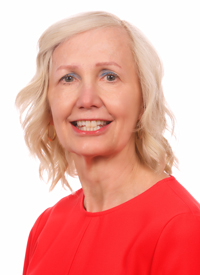
CHRIM Researcher, and Distinguished Professor at the University of Manitoba Dr. Roberta Woodgate, leads a research program called IN•GAUGE, where her and her team seek to explore the perspectives and lived experiences of children and youth across a wide range of health conditions (e.g., mental illnesses, complex care needs and conditions, chronic illnesses), as well as various communities (e.g., Indigenous youth and their families and newcomer families).
By creating a space for families to tell their own stories her work has opened a line of communication to understand why there are gaps in respite care. Not only has she opened dialogue with families, but she has also helped to identify the areas where the systems built to support communities are failing. They have created a digital story series titled Our Story with Respite, where families were able to share the recommendations they had to improve the respite care system in Manitoba.
There needs to be more work done to provide the correct support system.
In a recent study with family members of Children and Youth with Special Health Care Needs (CYSHCN) they found that they are not given the proper resources to find support for their children and even if they do, they must jump through every required hoop to likely just be waiting for further supports. Many families give up on trying to find respite support because of the amount of paperwork and requirements that they must meet to be eligible to receive proper care.
Through the research that has been conducted, they have identified gaps in the systems in place so action can be taken to improve the lives of many.
Check out Dr. Woodgate’s website here for further information.
Recent publications: